About
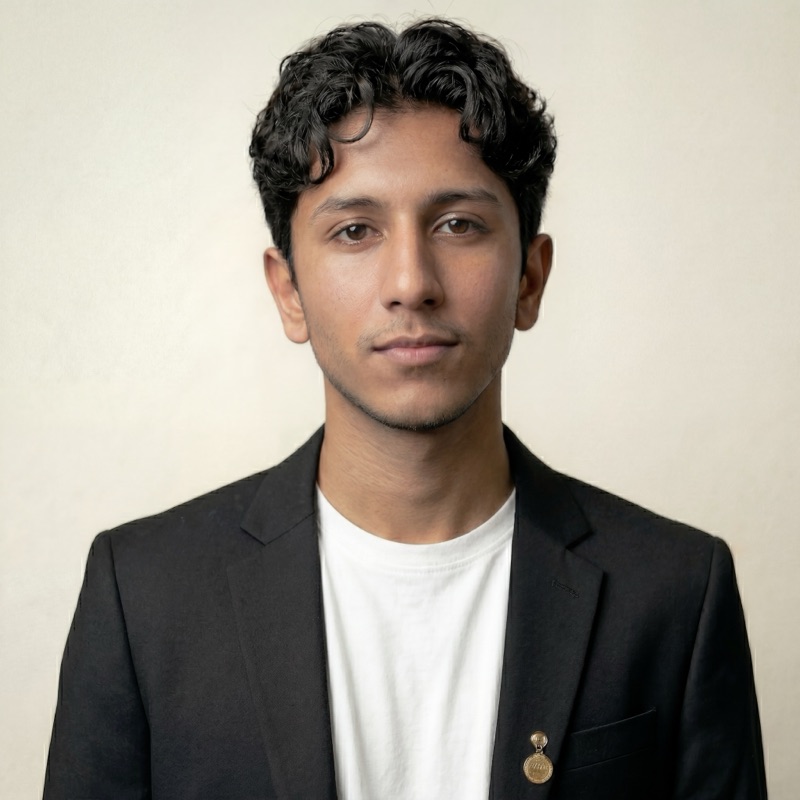
This paper is a field report. It came from three years of operating inside AI implementation — selling it, building it, watching what happened when people tried. Eight hundred implementations across forty industries. Both sides of the table. Enterprise platforms, growth agencies, creator businesses, the infrastructure layer underneath all of it.
Every time, the same constraint underneath: the expertise that runs the business lives inside one person’s head and nowhere else. The technology worked. The transfer didn’t.
The Encoded Founder model is the result. Three variables: Situational Awareness, Knowledge, Encoding. Truth as the gate. Leverage as the outcome. It maps exactly where founder expertise compounds and exactly where it leaks. I wrote it for myself first. I’m publishing it because I believe the ideas hold up.
The Work
Heuresis builds what this paper describes.
We partner with founders and industry leaders — people with ten or more years inside a single vertical — and encode their expertise into custom AI operating systems. Not tools. Not dashboards. Full infrastructure: a knowledge layer where the business lives and compounds, agents running entire departments, and an interface that connects everything into one system the team actually uses.
The architecture is six layers deep. Data and context at the foundation. Core business systems. Workflows and automation. An agent layer — proactive agents working in the background, reactive agents responding when you need them. Applications on top. Each layer built on the one beneath it.
We take two to three companies per vertical. The first to encode creates a compounding advantage that widens every month. That’s not a pitch. It’s the thesis of this paper applied to a business model.
Discovery takes one to two weeks. Architecture takes one to two weeks. Build and deploy takes four to eight. Most partners have a working system inside sixty days, running on live operations, on infrastructure they own.
When encoding is the right answer, we build it. When it isn’t, we say so.